A Grace-Filled Guide to Self-Care.
We live in a world that glorifies busyness. Between the demands of work, the constant needs of our children, and the responsibilities of caregiving, it is incredibly easy to put ourselves at the very bottom of the priority list. Too often, we only start taking care of ourselves after we have settled everyone else around us. While there are certainly seasons in life that require selfless sacrifice, living perpetually in that state is dangerous. If you are constantly pouring out from a place of lack, burnout is not just a possibility, it is an inevitability.
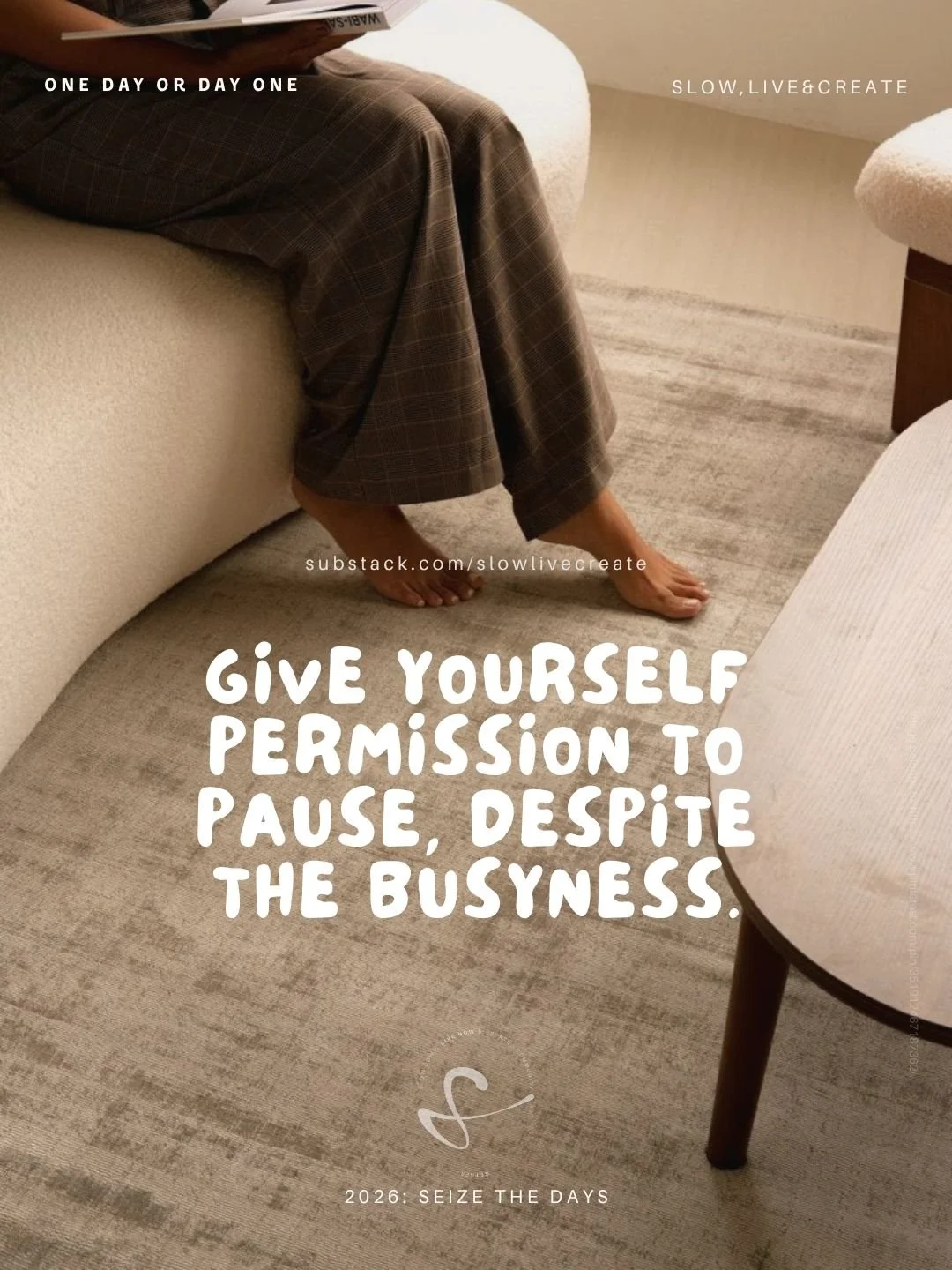
Today, I want to invite you to do something radical: Give yourself permission to pause, despite the busyness.
The Myth of “I Don’t Have Time”
When the topic of self-care comes up, the resistance is almost immediate. The most common excuses I hear from parents and professionals alike are, “My children need me all the time,” or “I can’t put off my responsibilities at work to take care of myself.”
Being a caregiver; whether to young children, aging parents, or demanding careers—is not easy. But we must ask ourselves: can we do it better? If our mental health is not tended to with the right attitude, we are simply laying our struggles over another person. We end up offering our loved ones our exhaustion, our short tempers, and our depleted spirits.
Prevention is always easier than correction. Waiting until you are completely broken to seek rest requires a much longer and more painful recovery than taking small, intentional steps to maintain your well-being along the way.
The Better Portion: Mary and Martha
When we feel the crushing weight of our to-do lists, we can look to the story of Mary and Martha in Luke 10:38-42. Martha was distracted by all the preparations that had to be made. She was busy serving, doing the “necessary” work. But Mary sat at the Lord’s feet, listening to what He said.
When Martha complained that she was doing all the work alone, Jesus gently replied, “Martha, Martha, you are worried and upset about many things, but few things are needed—or indeed only one. Mary has chosen what is better, and it will not be taken away from her.” (Luke 10:41-42, NIV)
This story is a reminder that presence is so much greater than just doing the work itself. We can be so consumed by serving our families and fulfilling our duties that we forget to sit at the feet of Jesus. True self-care begins here: choosing the “better portion” of His presence over the endless demands of our schedules.
Operating from Overflow, Not Overwhelm
True self-care is not about selfish indulgence; it is about stewardship. It is about recognizing that you cannot serve others well if you are running on empty. As Proverbs 4:23 reminds us, “Above all else, guard your heart, for everything you do flows from it.”
Starting where we are is the most important step. You do not need a week-long retreat to begin healing. Even a simple five-minute breathing exercise can center your soul. In those quiet moments, we can invite the grace of God to fill us up. By grounding ourselves in biblical wisdom and prayer, we shift our posture. We begin to operate from a place of overflow rather than a place of overwhelm.
A Simple, Grace-Filled Self-Care Routine
If you are ready to start taking care of yourself, here is a simple, realistic routine to help you begin. You can adapt these steps to fit into the margins of your day.
1. The Five-Minute Morning Anchor
Before the house wakes up or before you check your phone, take five minutes just for you. Sit in a quiet space, close your eyes, and take deep, intentional breaths. Use this time to pray, meditate on a piece of biblical wisdom, or simply sit in the presence of God. Let His grace set the tone for your day, reminding you that your worth is not defined by your productivity. “In the morning, Lord, you hear my voice; in the morning I lay my requests before you and wait expectantly.” (Psalm 5:3, NIV)
2. The Mid-Day Reset
When the chaos of the day peaks—perhaps during a lunch break or while the baby is napping—step away from your tasks. Do not use this time to catch up on chores. Instead, drink a glass of water, stretch your body, and acknowledge how you are feeling. If you are feeling overwhelmed, give yourself the grace to step back for just a few moments. Remember Jesus’ invitation: “Come to me, all you who are weary and burdened, and I will give you rest.” (Matthew 11:28, NIV)
3. The Boundary of “No”
Self-care often looks like setting healthy boundaries. Give yourself permission to say “no” to extra commitments that drain your energy. Remember that saying no to something less important is saying yes to your mental health and your family’s well-being. Even Jesus withdrew from the crowds to desolate places to pray (Luke 5:16). We, too, need boundaries to protect our peace.
4. The Evening Release
At the end of the day, it is easy to carry the weight of unfinished tasks to bed. Instead, practice a routine of release. Write down your worries or the tasks for tomorrow, and physically close the notebook. Spend a few moments in gratitude, thanking God for the strength He provided today, and surrender your lingering anxieties to Him. “Cast all your anxiety on him because he cares for you.” (1 Peter 5:7, NIV)
You Have Permission
You are allowed to take care of yourself. You are allowed to rest. By nurturing your own soul, you are not neglecting your responsibilities; you are equipping yourself to handle them with the love, patience, and grace that your family and your work deserve.
Start today. Start small. Let the grace of God fill your cup, so you can pour into others from a place of beautiful, abundant overflow.